
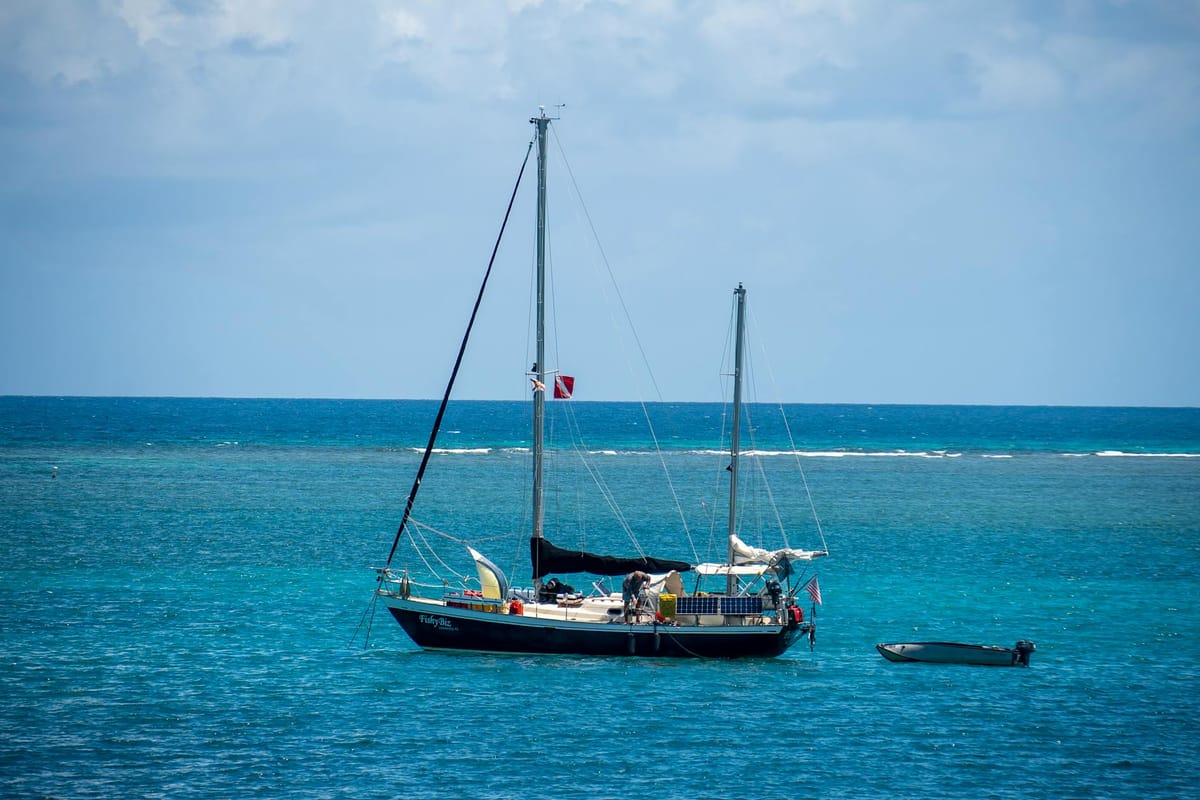
Florida Keys Yacht Charter: Overnight Guide & Anchorages
Exploring the Florida Keys by Yacht: A Guide to Overnight Charters and Secluded Anchorages
A Florida Keys yacht charter is one of those trips that earns its own category. You're not just traveling — you're waking up anchored off a sandbar, diving into 80-degree water before breakfast, and watching the sun drop into the Gulf from your own deck. This guide covers what you need to plan an overnight boat charter in the Keys: the best anchorages, the sanctuary rules that actually matter, and how to put together an itinerary worth repeating.
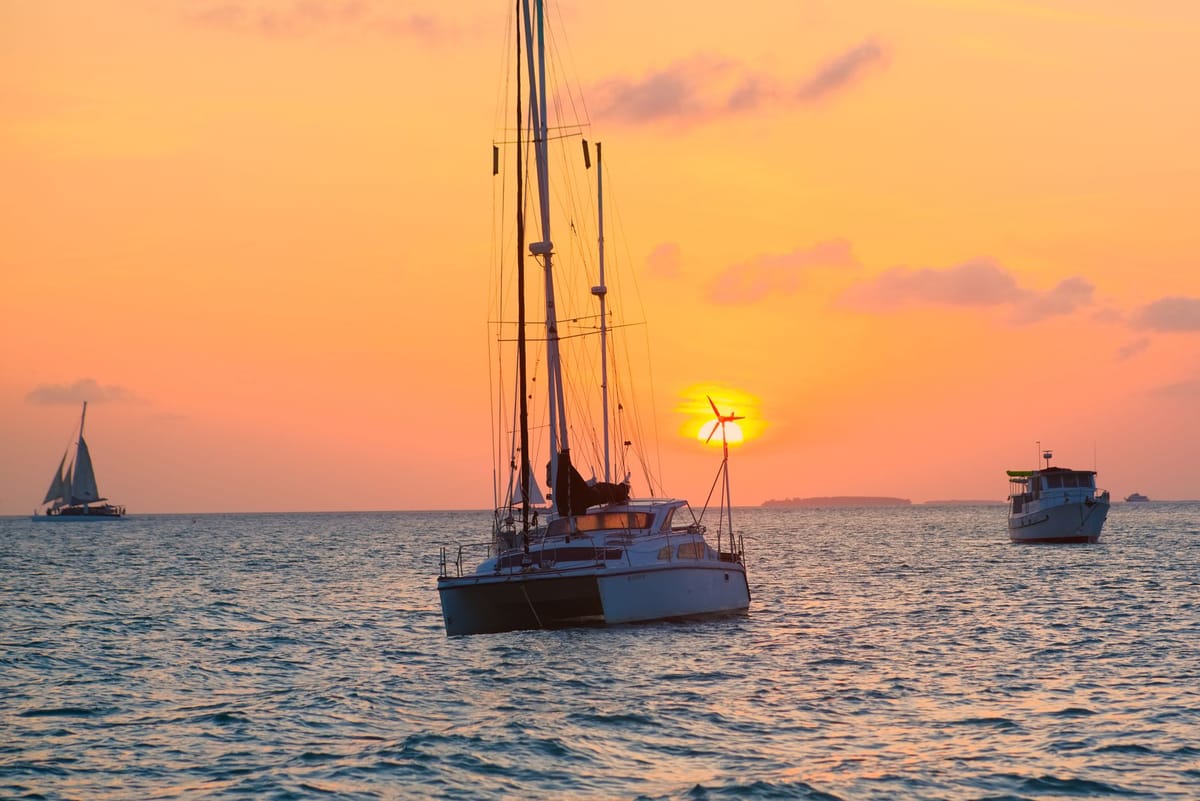
Why Choose the Florida Keys for an Overnight Yacht Charter?
The Florida Keys stretch southwest from the tip of Florida in a 125-mile arc of islands, bridges, and open water. It's a destination that only makes full sense from the water — the best spots are simply unreachable by car.
From Miami, Key Largo sits roughly 50–60 nautical miles away. At a comfortable cruising speed, that's a 3–5 hour run — close enough for a weekend, far enough to feel like you've actually left. An overnight charter lets you push past the day-tripper crowds, catch sunrise from the anchorage, and reach corners of the reef that most visitors never see.
- Unmatched scenery: Emerald shallows, coral formations, and open-ocean blue — often within the same afternoon.
- Marine life encounters: Snorkeling and diving on living reef systems teeming with tropical fish, rays, and sea turtles.
- Secluded relaxation: Quiet coves and private anchorages well away from the resort crowds.
- Flexible exploration: Linger where you want, move when you're ready — no bus schedule, no tour group.
Here's a quick look at how the Florida Keys compares to other popular overnight charter destinations along the East Coast:
The four most popular East Coast overnight charter destinations compare like this:
| Destination | Distance from Miami (nm) | Best Season | Signature Experience | Mooring Buoys Available |
|---|---|---|---|---|
| Florida Keys | 50–125 | Nov–May | Coral reef snorkeling, secluded anchorages | 700+ |
| Bahamas (Bimini) | ~50 | Dec–Apr | Blue-water fishing, sandbar parties | Limited |
| BVI (from Puerto Rico) | ~900 | Dec–Apr | Island hopping, sailing passages | Moderate |
| Chesapeake Bay | ~900 | May–Oct | Historic ports, sailing, crabbing | Limited |
Planning Your Florida Keys Yacht Charter: Essential Considerations
A great Keys charter starts well before you leave the dock. Here's what to think through.
Selecting Your Yacht and Crew
The right vessel depends on where you want to go. Catamarans handle the Keys' shallow-draft anchorages beautifully; motor yachts cover distance faster and offer more interior comfort for overnight stays. CharterXO connects you directly with verified yacht owners — no broker in the middle — so you can ask the specific questions that matter: draft depth, sleeping capacity, what's actually included.
For overnight charters, especially those heading offshore or into less-charted waters, a properly credentialed captain is strongly recommended. CharterXO connects you with licensed captains verified by CharterXO, so you have experienced hands at the helm while you focus on enjoying the trip. Your captain also becomes your best local resource — they know which anchorages are protected on a given wind direction and where the reef is worth the swim.
Ready to find your vessel? Book a Charter with CharterXO and start planning.
Crafting Your Itinerary and Splitting Payments
One of the real advantages of a private charter is that the itinerary is yours. Want to spend two hours on a specific reef? Done. Prefer to skip the tourist snorkel spots and find a quiet sandbar? Your captain can make that happen. CharterXO's AI concierge helps you build out a realistic itinerary — accounting for travel time, tides, and the spots worth prioritizing — so you're not winging it when you arrive.
Group trips are easier to manage, too. CharterXO lets you split payments evenly among guests or set custom ratios, which removes the awkward "who owes what" conversation from the planning process entirely.
Navigating the Florida Keys National Marine Sanctuary: What You Need to Know
About 3,800 square miles of Keys waters are protected as the Florida Keys National Marine Sanctuary (FKNMS). That protection is the reason the reef is still worth visiting — and it comes with rules every charterer needs to understand before dropping anchor.
- Anchoring rules: Anchoring directly on coral is prohibited. Use one of the 700+ public mooring buoys throughout the sanctuary, or anchor only on sandy bottoms — and confirm your anchor isn't dragging into sensitive areas. Full details at the Florida Keys National Marine Sanctuary official website.
- No Discharge Zone (NDZ): The entire FKNMS is a No Discharge Zone for all vessel sewage — treated or untreated. You'll need to use holding tanks and pump out at designated shoreside facilities.
- Sanctuary Preservation Areas (SPAs) and Ecological Reserves: These zones restrict fishing, diving, and anchoring to protect the most sensitive habitats. Check your nautical charts before entering. Details on the FKNMS SPAs page.
- Permit requirements: Standard recreational boating doesn't require special permits. Scientific research or commercial operations do. Check the FKNMS permits section if your plans go beyond typical recreational use.
- State vs. sanctuary law: Florida state law generally allows anchoring on submerged lands, but FKNMS regulations take precedence in sanctuary waters when it comes to coral protection. When in doubt, sanctuary rules win. State-level guidance is available through the Florida Fish and Wildlife Conservation Commission.
Discovering Secluded Anchorages and Mooring Spots
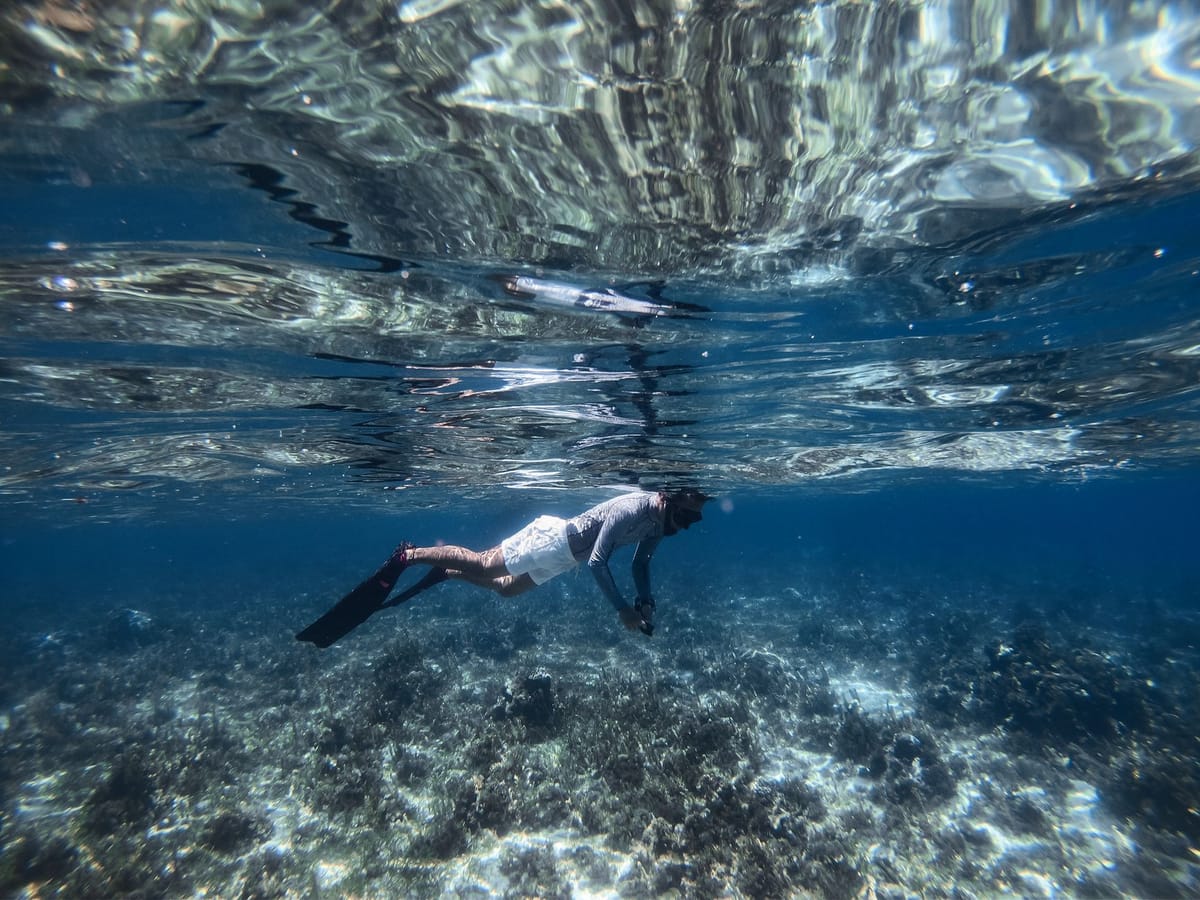
The best overnight spots in the Keys aren't always on the tourist map — and that's the point. The Lower Keys, the Marquesas, and the more remote stretches near Key Largo all offer exceptional opportunities for secluded mooring. These areas reward charterers who are willing to go a little further and stay a little longer.
The protocol is consistent wherever you go: use a mooring buoy when one's available, anchor on sand when it's not, and give yourself plenty of scope so you're not dragging toward coral in the night. Your captain will know the spots — that local knowledge is one of the best reasons to have one aboard.
Waking up with nothing around you but open water and birdsong is a different kind of morning. It's the part of a Keys overnight charter that's genuinely hard to describe until you've done it.
When Is the Best Time to Charter a Yacht in the Florida Keys?
The dry season — November through May — is the sweet spot for a Florida Keys yacht charter. Lower humidity, calmer seas, and no meaningful hurricane risk make for predictable, comfortable conditions. Late November through early May is the most reliable window if you want clear skies and flat water.
The wet season (June–October) brings afternoon thunderstorms, higher humidity, and the possibility of tropical weather. Charters still happen, but you'll need to stay flexible and watch the forecast closely. For current conditions, NOAA's Key West forecast is the most reliable source.
For 2026, the dry season window is still open through late May — making now a solid time to plan a late-spring charter before summer weather patterns settle in.
Essential Gear and Onboard Preparation
Packing for an overnight charter is part practical, part personal. A few things that make a real difference:
- Provisions: Most yachts have a functional galley. Plan your meals, and consider stopping at a local seafood market before departure — fresh Keys stone crab or mahi is worth the extra stop.
- Sun protection: The Florida sun reflects off the water. Reef-safe sunscreen, a wide-brimmed hat, and a lightweight long-sleeve layer are non-negotiable.
- Water toys: Snorkel gear, paddleboards, and inflatable kayaks extend what you can do at anchor. Confirm what's already aboard when you chat with your owner.
- Navigation and communication: Your captain handles the helm, but it's smart to know where the safety gear is and have a backup communication device.
- Waste management: Understand the yacht's holding tank setup before you leave the dock. The NDZ is strictly enforced, and pump-out stations are easy to plan around.
Chatting directly with your verified yacht owner through CharterXO is the fastest way to nail down exactly what's aboard and what to bring. No guessing, no surprises.
Life Onboard Your Overnight Charter
An overnight charter in the Keys has its own rhythm. Morning coffee on deck while the anchorage is still quiet. A snorkel before the day-boats arrive. A long lunch somewhere calm, then a slow cruise to the next spot before the sun gets low. Dinner under more stars than you'll see from shore.
The days fill themselves — reef exploration, sport fishing, or just drifting between islands with no particular agenda. The evenings are the reward: that specific stillness of being anchored offshore, far enough from everything that the only sounds are water and wind.
CharterXO lets you chat directly with yacht owners to customize every detail — meal preferences, activity priorities, pace of travel. It's your trip. If you own a boat and want to be part of this, List Your Boat with CharterXO and connect with charterers planning exactly these kinds of trips.
Frequently Asked Questions
What are the anchoring rules in the Florida Keys?
In the Florida Keys National Marine Sanctuary, anchoring on coral is strictly prohibited. Vessels must use one of the 700+ public mooring buoys or anchor only on sandy bottoms. FKNMS regulations take precedence over Florida state law when it comes to coral protection. Always check local charts and confirm your anchor placement before settling in for the night.
When is the best time of year for a Florida Keys yacht charter?
The dry season — November through May — offers the most reliable conditions: lower humidity, calmer seas, and minimal tropical storm risk. Late November through early May is the most consistent window. Summer charters are possible but require flexibility around afternoon thunderstorms and the possibility of tropical weather systems.
What is a No Discharge Zone, and how does it affect my charter?
The entire Florida Keys National Marine Sanctuary is a No Discharge Zone for all vessel sewage — treated or untreated. Vessels must use holding tanks and pump out at designated shoreside facilities. Your yacht owner can walk you through the specific system aboard your vessel, and pump-out stations are available throughout the Keys.
Are there any special permits required for recreational boating in the Florida Keys National Marine Sanctuary?
Standard recreational boating in the FKNMS doesn't require special permits. Scientific research, large-scale events, or commercial operations may need them. If your plans go beyond typical recreational use, check the FKNMS official site for current requirements before your trip.
The Florida Keys by yacht is one of those experiences that resets your baseline for what a good weekend looks like. CharterXO makes it straightforward — chat directly with owners, book without paperwork, split costs however works for your group, and show up ready to enjoy it. The water's waiting.
Ready to go? Book a Charter today. If you're a skilled mariner looking to connect with charterers, Become a Captain with CharterXO.