
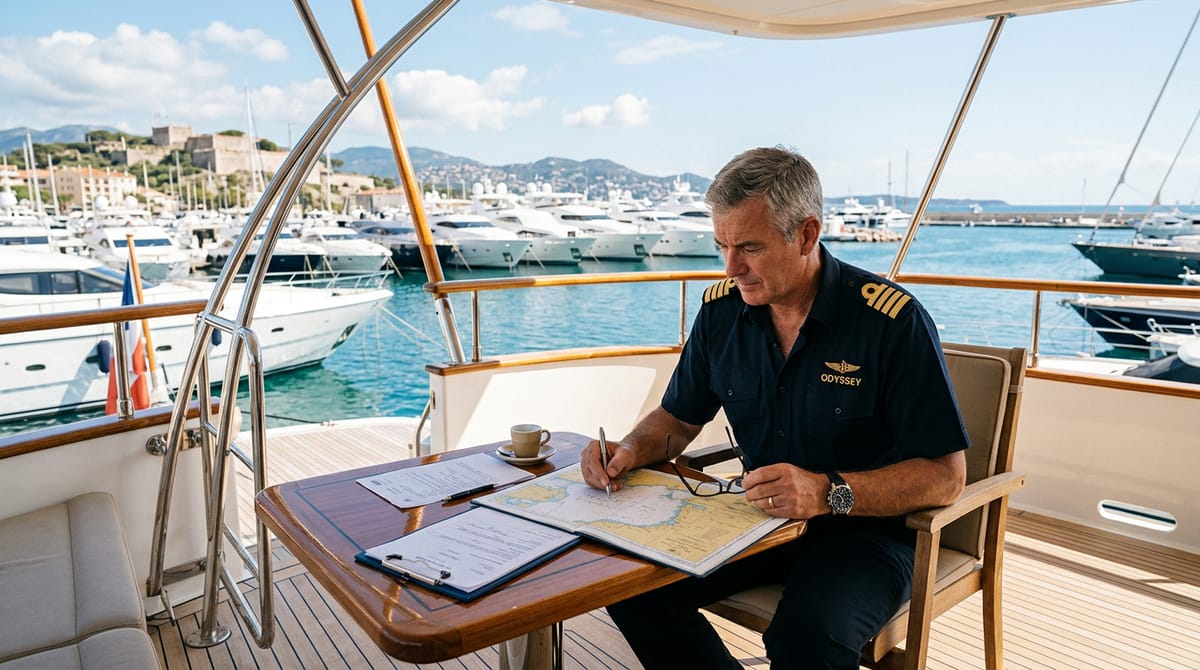
Hilton Head Yacht Charter Insurance: Essential Guide for Owners
Listing Your Yacht in Hilton Head: Insurance Essentials for Charter Owners
If you're setting up a Hilton Head boat listing, marine insurance isn't a box to check after the fact — it's the foundation of a viable charter operation. Commercial charter insurance differs fundamentally from personal policies, and the gap matters: the wrong coverage leaves you exposed the moment a paying guest steps aboard. Here's what every Hilton Head charter owner needs to know before the first booking goes live.
Why Can't I Just Use My Personal Policy for Chartering My Yacht?
It's the most common assumption new charter owners make — and one of the costliest. Personal yacht policies are written for recreational use: you, your family, occasional guests. Nearly every one of them contains an explicit commercial-use exclusion. The moment you accept payment for a charter, that exclusion kicks in.
Think of it like driving for a rideshare app on a personal auto policy. Any incident — a minor scrape, a passenger injury, a dock collision — and the insurer denies the claim. You're left holding repair bills, legal fees, and third-party liability out of pocket.
The fix is straightforward: either add a commercial-use endorsement to your existing policy or, more commonly, move to a dedicated commercial marine policy. Either way, your coverage needs to match how the yacht is actually being used.
What Are the Core Types of Insurance Every Charter Owner Needs?
Two policies form the backbone of any charter insurance program. Everything else builds on top of them.
Here's how the two core coverage types compare across the dimensions that matter most to charter owners:
| Coverage Type | What It Protects | Key Perils Covered | Who Benefits |
|---|---|---|---|
| Hull & Machinery (H&M) | The vessel itself — hull, engines, rigging, installed equipment | Collision, grounding, fire, theft, vandalism, hurricane damage | Owner (asset protection) |
| Protection & Indemnity (P&I) | Third-party liabilities arising from charter operations | Passenger injury, property damage, pollution, wreck removal, legal defense | Owner (liability protection) + guests |
Hull & Machinery (H&M) Insurance: Protecting Your Asset
H&M is the comprehensive damage coverage for the physical yacht. It covers the hull, engines, machinery, rigging, and permanently installed equipment against collision, grounding, fire, theft, vandalism, and severe weather — including hurricanes, which are a real consideration on the South Carolina coast.
Without solid H&M coverage, a single incident can generate repair bills that dwarf a full season's charter revenue. It's non-negotiable.
Protection & Indemnity (P&I) Insurance: Covering Your Liabilities
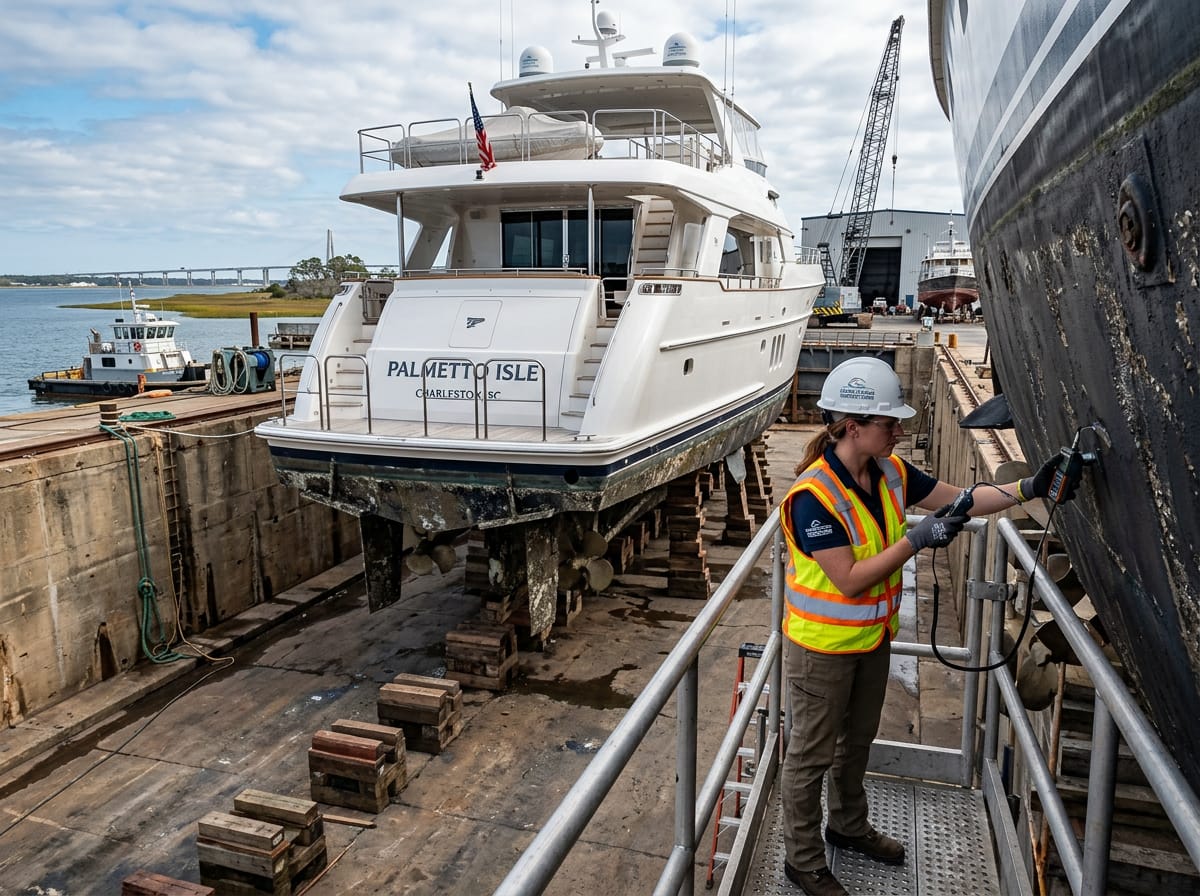
P&I is the liability side of the equation. While H&M protects the boat, P&I protects you from what happens to people and property around it. That means bodily injury to passengers, crew, or bystanders; damage to other vessels, docks, or marina infrastructure; pollution liability; wreck removal; and legal defense costs.
Hilton Head's waterways are busy — Calibogue Sound, Port Royal Sound, the Intracoastal Waterway. Carrying paying passengers in that environment without robust P&I coverage is a serious financial risk. One lawsuit can exceed the value of the yacht itself.
Does My Insurance Change for Bareboat vs. Crewed Charters?
Yes — and the differences are meaningful. The charter structure you offer shapes how liability is allocated and what your policy needs to cover.
| Aspect | Bareboat Charter | Crewed Charter |
|---|---|---|
| Who operates the vessel | Charterer assumes full control | Owner-provided captain and crew |
| Liability allocation | Shifts significantly to charterer | Primarily rests with the owner |
| Policy requirement | Special endorsement or charterer's own liability coverage | Comprehensive owner's policy covering vessel, crew, and passengers |
| Charterer qualification | Demonstrated proficiency often required; SC boating education may apply | Not applicable — captain is credentialed by owner |
| Captain requirement | None (charterer operates) | Licensed captain verified by CharterXO strongly recommended |
For bareboat charters, the charterer takes operational control and responsibility. Your owner's policy may need a specific endorsement to extend coverage to them, or you can require the charterer to carry their own liability coverage for the trip. Either way, you still need P&I protection for scenarios that fall back on the owner.
For crewed charters, your comprehensive owner's policy covers the vessel, the crew, and the passengers. The captain — whether an employee or independent contractor — remains in command. Working with licensed captains verified by CharterXO gives insurers confidence in your operation and can streamline underwriting. The operational liability sits with you as the owner, so your H&M and P&I coverage needs to be airtight.
Are There Specific Regulations for Charters in Hilton Head?
Charter operations in Hilton Head sit under a layered regulatory framework — federal, state, and local. Each layer can affect your policy terms and your ability to get coverage in the first place.
Navigating USCG Safety Standards
Vessels carrying more than six passengers for hire fall under stricter federal oversight. The U.S. Coast Guard sets specific requirements for safety equipment (life rafts, fire suppression systems, emergency signaling devices), vessel construction, stability, and operational procedures. These vessels are also subject to periodic USCG inspections.
Meeting these federal safety benchmarks isn't just a legal obligation — it's an insurability requirement. Non-compliance can void your policy. CharterXO strongly recommends that all owners understand these standards before listing a vessel that will carry passengers for hire.
Understanding Navigation Limits in Your Policy
Every marine policy defines a geographic area where coverage applies. For a Hilton Head-based yacht, that might mean coastal waters of the continental US, specific South Carolina waterways, or a defined offshore distance. Operating outside those limits — even briefly — can result in a denied claim if something goes wrong.
Before you finalize your charter routes, review your policy's navigation limits carefully. If you plan to run trips beyond the standard coverage area, discuss it with your insurer and get the appropriate extension in writing.
South Carolina Boating Education Considerations
South Carolina requires operators born after July 1, 1983, to complete a state-approved boating safety course to operate a vessel with a 15-horsepower motor or greater. For bareboat charters, verifying that your charterer meets this requirement is both a safety measure and a risk management step. Insurers factor overall compliance into their underwriting decisions. For crewed charters, ensuring your licensed captains are fully current on all state and federal requirements is straightforward due diligence.
Why Is a Marine Survey Essential for Yacht Insurance?
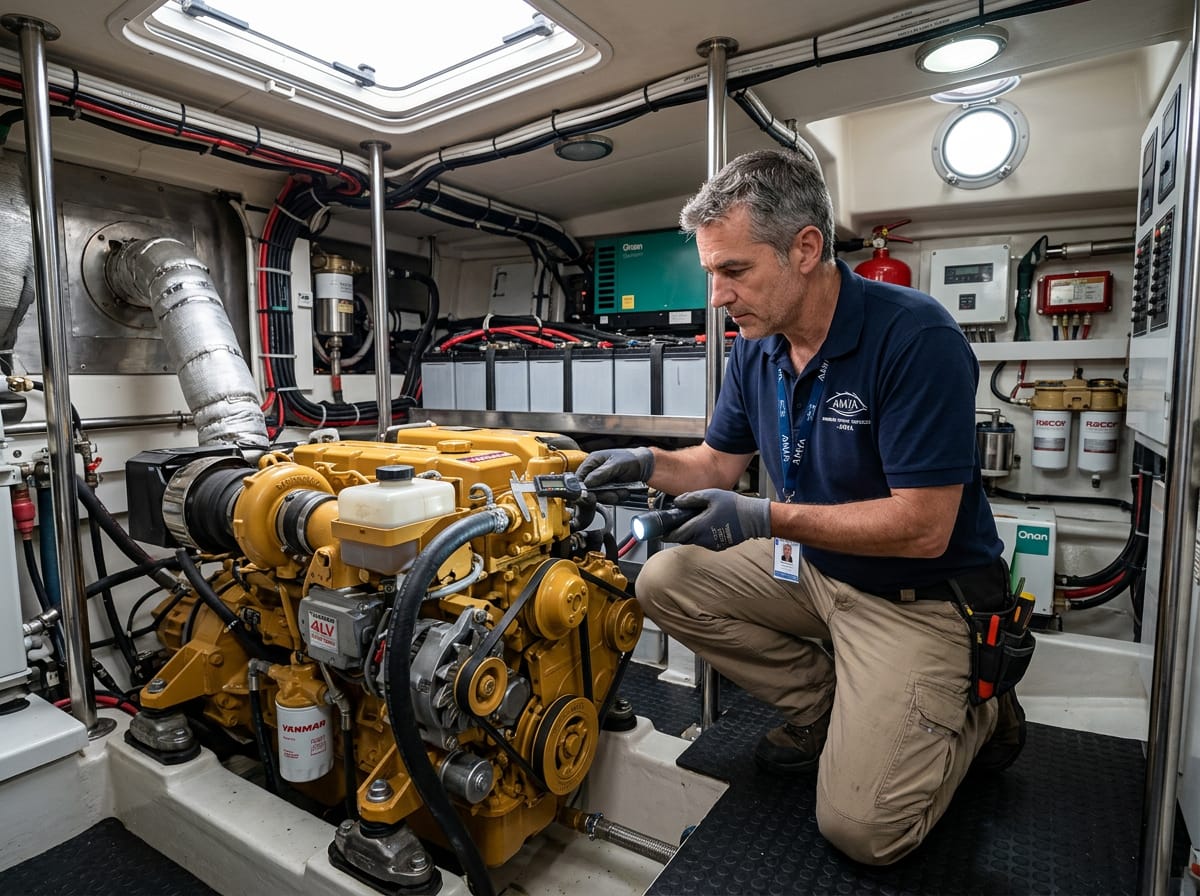
Before issuing a commercial marine policy — especially on a new policy or an older vessel — insurers almost always require a recent marine survey. A qualified, independent marine surveyor inspects the yacht's structural integrity, mechanical systems, electrical systems, and safety equipment, then produces a report that establishes the vessel's condition and fair market value.
For the insurer, the survey defines the risk. For you, it's a detailed snapshot of your yacht's health — one that can surface hidden issues before they become expensive breakdowns mid-charter. It also creates a documented baseline that supports any future claim.
Most insurers specify how current the survey must be, typically within one to five years depending on the vessel's age. Keeping your survey current is good practice regardless of renewal cycles.
How Does CharterXO Support Yacht Owners with Insurance Needs?
CharterXO doesn't sell insurance — but the platform is built to support the kind of well-managed operation that insurers want to cover. When you list your boat on CharterXO, you can chat directly with potential charterers, verify their credentials, and set your own requirements for bareboat trips. For crewed charters, you can highlight your properly credentialed captains, giving travelers — and underwriters — confidence in your operation.
The responsibility for securing the right commercial marine coverage stays with you as the owner. We encourage every owner to work with a marine insurance specialist who understands the Hilton Head market. For a starting point, visit our insurance information page.
Frequently Asked Questions
Why can't I use my personal yacht insurance policy for chartering in Hilton Head?
Personal yacht policies are written for recreational use and almost always exclude commercial activities. If you charter under a personal policy and an incident occurs, the insurer will likely deny the claim — leaving you responsible for damages, liabilities, and legal costs. A dedicated commercial marine policy is the right tool for a charter operation.
What is the purpose of Hull & Machinery (H&M) insurance for a charter yacht?
H&M insurance covers direct physical loss or damage to your yacht — hull, engines, rigging, and installed machinery — from perils like collision, fire, theft, grounding, or severe weather. It protects the asset itself, ensuring you can repair or replace the vessel if it's damaged during a charter without absorbing the full cost out of pocket.
Are there different insurance considerations for bareboat charters compared to crewed charters?
Yes. For bareboat charters, where the charterer operates the vessel, your owner's policy may need specific endorsements, or you may require the charterer to carry their own liability coverage. For crewed charters, where you provide a licensed captain, your comprehensive owner's policy typically covers the vessel, crew, and passengers, with operational liability resting primarily with you as the owner.
What are "navigation limits" and how do they apply to a yacht chartered out of Hilton Head?
Navigation limits define the geographic area where your policy provides coverage. For a Hilton Head-based yacht, this might cover specific coastal waters, inland waterways, or a set distance offshore. Operating outside those limits — even briefly — can invalidate your coverage if an incident occurs. Review your policy's boundaries carefully and confirm they match your intended charter routes.
How often is a marine survey required for yacht charter insurance?
Most commercial marine insurers require a current survey before issuing or renewing a policy, particularly for older vessels. The required frequency typically ranges from every one to five years, depending on the yacht's age and the insurer's underwriting guidelines. A survey establishes the vessel's condition and fair market value, both of which directly affect your coverage terms and premium.
Do South Carolina boating regulations impact my charter yacht's insurability?
They can. South Carolina requires operators born after July 1, 1983, to complete a state-approved boating safety course to operate a motorized vessel. For bareboat charters, verifying that charterers meet this requirement demonstrates responsible operation — something insurers factor into their risk assessment. For crewed charters, ensuring your captains are fully compliant with all state and federal requirements is standard due diligence.
Proper insurance is what turns a great yacht into a sustainable charter business. Get it right before your first booking, and every trip after that runs on solid ground. Ready to get your vessel in front of travelers?