
US Boating Licenses: OUPV, Six-Pack & Master Credentials Explained
Your Guide to US Boating Licenses: OUPV, Six-Pack, and Master Endorsements Explained
If you're serious about captaining for hire, understanding your credential options is step one. The OUPV license — commonly called the "Six-Pack" — is where most commercial captains start. From there, a Master endorsement opens the door to larger vessels and bigger passenger loads. Here's exactly what each license covers, what it takes to earn one, and how they shape a captain's career on US waters.
OUPV vs. Master at a Glance
Before diving into the details, this side-by-side comparison covers the most important differences between the two primary commercial captain credentials.
| Credential | Passenger Limit | Sea Service Required | Minimum Age | Vessel Type |
|---|---|---|---|---|
| OUPV (Six-Pack) Near Coastal | Up to 6 paying passengers | 360 days (90 in last 3 years; 90 offshore) | 18 | Uninspected vessels only |
| Master Near Coastal (up to 100 GT) | Per vessel's COI (inspected) or up to 6 (uninspected) | 720 days (360 in last 5 years; 360 offshore) | 19 | Inspected and uninspected vessels |
| Master Ocean | Per vessel's COI | 720+ days with offshore emphasis | 21 | Inspected and uninspected vessels, open ocean |
What Is an OUPV License — the "Six-Pack"?
An Operator of Uninspected Passenger Vessels (OUPV) license is the most common entry-level credential for captains looking to work for hire. It lets you carry up to six paying passengers on uninspected vessels — think smaller charter boats, fishing charters, and private tours. The "Six-Pack" nickname comes straight from that passenger cap.
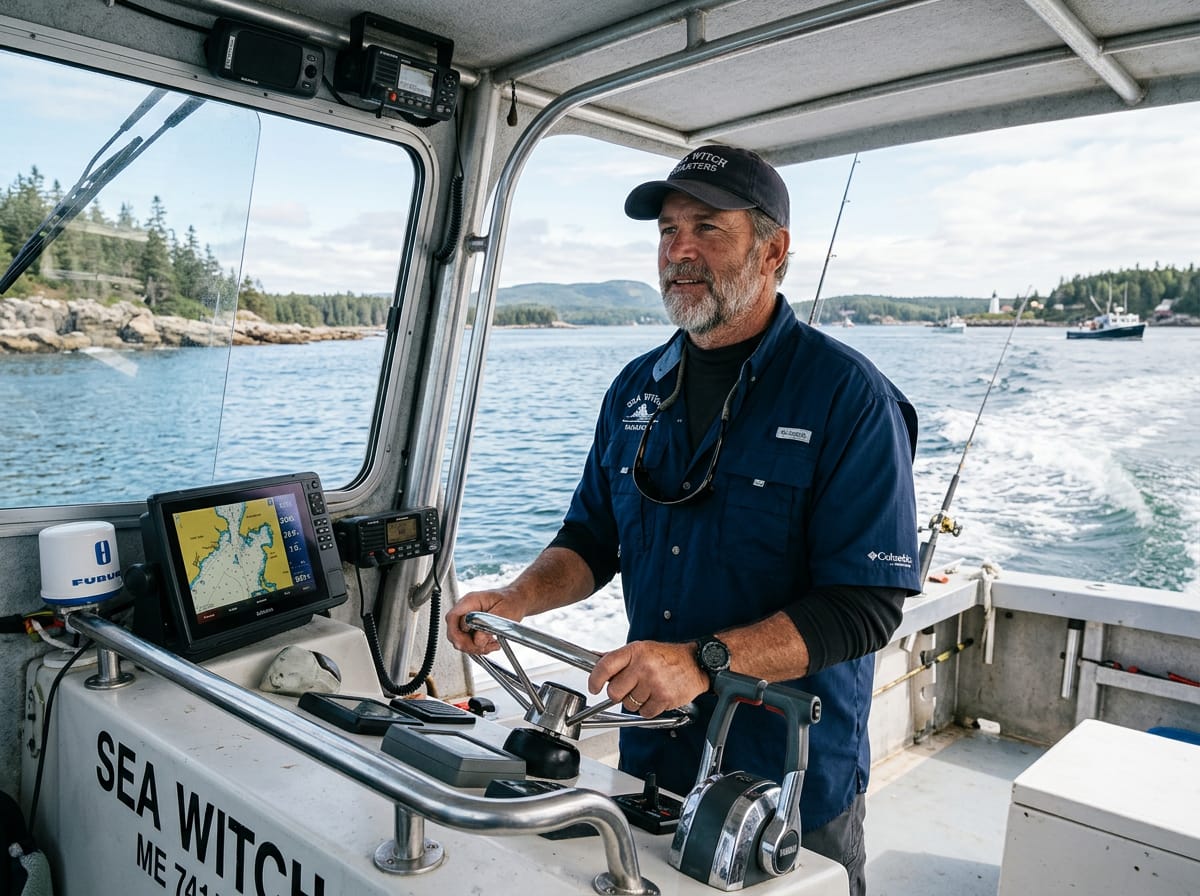
To qualify for an OUPV Near Coastal license, you'll need to document 360 days of sea service, with at least 90 of those days in the last three years and 90 days on waters outside the boundary line. That offshore requirement ensures you've spent real time beyond sheltered inland waters. (USCG National Maritime Center — OUPV Near Coastal Checklist)
The minimum age is 18. Beyond sea service and age, every applicant must also meet these requirements:
- Transportation Worker Identification Credential (TWIC): All Merchant Mariner Credential applicants — OUPV included — need a valid TWIC. It's the standard security credential for maritime professionals. (TSA — TWIC)
- Medical exam and drug test: A physical and drug screen confirm you're fit for duty.
- First Aid and CPR certification: Current certifications are mandatory — not optional. (USCG NMC — OUPV Near Coastal Checklist)
The OUPV is the backbone of many smaller charter operations, including captains verified by CharterXO. If you're considering this path, it's a smart, direct route to commercial captaining. Become a Captain.
What Is a Master Mariner License?
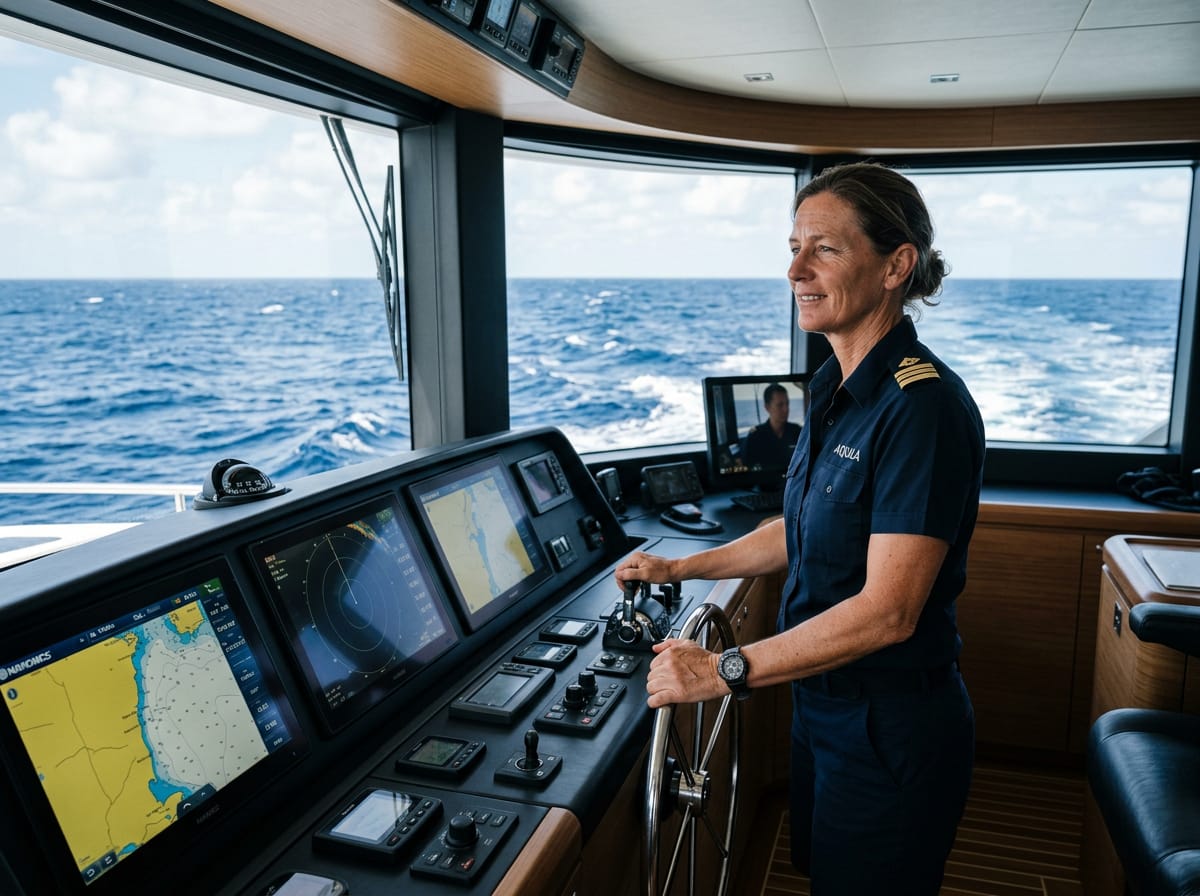
A Master license is a significant step up. It lets you operate both inspected and uninspected vessels, with passenger capacity on inspected vessels set by the vessel's Certificate of Inspection (COI) rather than a fixed cap of six. Tonnage endorsements range from 25 to 100 Gross Tons depending on your experience and the specific credential. (USCG NMC — Master Near Coastal Checklist)
The sea service bar is higher: 720 days total, with 360 accumulated in the last five years and 360 days on waters outside the boundary line. That's twice the sea time of an OUPV, reflecting the added responsibility of commanding larger vessels. (USCG NMC — Master Near Coastal Checklist)
Age requirements scale up too. A Master Near Coastal license requires you to be at least 19; a Master Ocean license requires 21. (USCG NMC — OUPV and Master Near Coastal Checklists)
The same core prerequisites apply as with the OUPV:
- TWIC: Mandatory for all Merchant Mariner Credentials. (TSA — TWIC)
- Medical exam and drug test: Required to confirm health and fitness for duty.
- First Aid and CPR certification: Current certifications are required. (USCG NMC — Master Near Coastal Checklist)
OUPV vs. Master: Which One Is Right for You?
The right credential depends on what you want to do on the water. The OUPV is purpose-built for smaller commercial operations — up to six passengers on uninspected vessels. It's a faster path to commercial work and a solid foundation for building sea time.
The Master license is the credential you need if you want to operate larger, inspected passenger vessels where the COI — not a fixed number — determines how many guests you can carry. If you're eyeing larger charter yachts, ferries, or tour boats, or plan to work vessels over 100 gross tons, a Master credential is the right target. Many properly credentialed captains on CharterXO hold Master licenses precisely because it lets them pilot a wider range of vessels and serve more guests per trip.
Endorsements and Renewals
Once you hold an OUPV or Master license, additional endorsements let you expand what you can do commercially:
- Assistance Towing: Authorizes commercial towing, including aiding disabled vessels.
- Sailing: Required if you're operating sailing vessels commercially.
These endorsements can be added to either credential, making you a more versatile captain. (USCG NMC — Merchant Mariner Credential Information)
Both OUPV and Master credentials are valid for five years. Renewal typically requires demonstrating continued sea service, a new medical exam, and a drug test. Staying current keeps you compliant and eligible for commercial operations. (USCG NMC — Renewal Checklist)
State-Specific Requirements
Federal credentials govern commercial operations, but states can layer on their own rules. Some have additional requirements for recreational vessels or specific commercial activities within state waters. Check with your state's boating authority before you operate — it's worth the extra step. (National Association of State Boating Law Administrators — NASBLA)
Navigating the Application Process
Applying for a Merchant Mariner Credential through the US Coast Guard National Maritime Center (NMC) is detail-intensive. Meticulous documentation of sea service, completed examinations or approved coursework, and all medical and security requirements need to come together in one clean package. Here's a simplified overview:
- Confirm eligibility: Verify you meet the age, sea service, and citizenship requirements for your target license.
- Get your TWIC card: Apply through the TSA before anything else — processing takes time.
- Complete training or exams: Attend a Coast Guard-approved course or prepare for and pass the NMC examinations directly.
- Pass your medical exam and drug test: Schedule with a Coast Guard-approved physician.
- Get current First Aid/CPR certifications: Make sure they won't expire mid-application.
- Compile your application package: Gather all forms, sea service letters, and supporting documents.
- Submit to the NMC: Send your complete package to the National Maritime Center for review.
The process has moving parts, but maritime training schools and the NMC's own guides walk you through each step. Properly credentialed captains are what make charter experiences safe and worth booking — and that standard is something CharterXO takes seriously when verifying captains on the platform. Become a Captain.
Conclusion
The OUPV and Master credentials each serve a distinct purpose. The Six-Pack gets you on the water commercially with a manageable sea service requirement; the Master opens up larger vessels and higher passenger loads. Both demand real experience, medical fitness, and a commitment to safety — and that's exactly what charter guests are counting on when they step aboard.
Whether you're working toward your first OUPV or building sea time for a Master endorsement, the path is clear and the payoff is real. Ready to put your credentials to work? Become a Captain on CharterXO, or if you're a guest looking for a captain you can trust: Book a Charter.
Frequently Asked Questions
How long is a USCG Merchant Mariner Credential valid?
Both OUPV and Master licenses are valid for five years. Before that window closes, captains must renew by demonstrating continued sea service, completing a new medical examination, and passing a drug test. Letting a credential lapse means you can't legally operate commercially until it's reinstated — so tracking your renewal date matters.
Can an OUPV license be upgraded to a Master license?
Yes. Sea service logged while holding an OUPV counts toward the higher requirements for a Master credential. Many captains treat the OUPV as a deliberate first step — earning commercial experience on the water that directly builds toward Master eligibility. It's a practical progression, not a detour.
What is the difference between an "inspected" and "uninspected" vessel?
Uninspected vessels — typically smaller commercial boats covered by an OUPV — aren't subject to regular Coast Guard inspections for stability, safety equipment, and construction. Inspected vessels, usually larger passenger vessels requiring a Master license, undergo periodic, detailed Coast Guard inspections, and their passenger capacity is set by a Certificate of Inspection (COI) rather than a fixed legal cap.
Is a TWIC card always required for these licenses?
Yes. A Transportation Worker Identification Credential (TWIC) is mandatory for every Merchant Mariner Credential application — OUPV and Master alike. The TWIC is the standard security credential for maritime professionals who need unescorted access to secure areas of port facilities and vessels regulated under the Maritime Transportation Security Act.