
Yacht Insurance for Charter Owners: Hull, Liability, and P&I Explained
Navigating Yacht Insurance: Hull, Liability, and P&I for Charter Owners
If you're listing your yacht for charter, insurance isn't a checkbox — it's the foundation of your entire operation. The three policies every charter owner needs to understand are yacht hull insurance (physical damage to the vessel), boat liability insurance (third-party injury and property claims), and Protection & Indemnity (P&I) coverage (the broad commercial liability net). Together, they protect your investment, your guests, and your business from the risks that come with carrying passengers for hire.
Why Specialized Yacht Insurance Is Non-Negotiable for Chartering
The moment you list your yacht for hire, you've crossed from private recreation into commercial enterprise — and standard private yacht policies won't follow you there. Most personal policies explicitly exclude commercial charter operations. An incident during a paid trip means a denied claim, full stop.
To operate legally and responsibly, you need either a dedicated commercial charter policy or a commercial endorsement added to your existing coverage. That specialized policy accounts for the higher risk of carrying passengers, the complexity of commercial operations, and the regulatory requirements that come with them. CharterXO connects owners with qualified travelers and handles the booking side; securing the right insurance is your responsibility before that first guest steps aboard.
| Coverage Type | What It Protects | Required for Commercial Charter? | Typical Scope |
|---|---|---|---|
| Yacht Hull Insurance | Physical damage to the vessel | Yes | Collision, fire, theft, storm, vandalism |
| Boat Liability Insurance | Third-party bodily injury & property damage | Yes | Guest injuries, dock damage, other vessels |
| Protection & Indemnity (P&I) | Broad commercial maritime liability | Strongly recommended | Crew injury, pollution, wreck removal, passenger claims |
| Commercial Endorsement | Extends private policy to cover charter use | Minimum requirement | Varies by insurer — confirm scope before listing |
What Does Yacht Hull Insurance Cover?
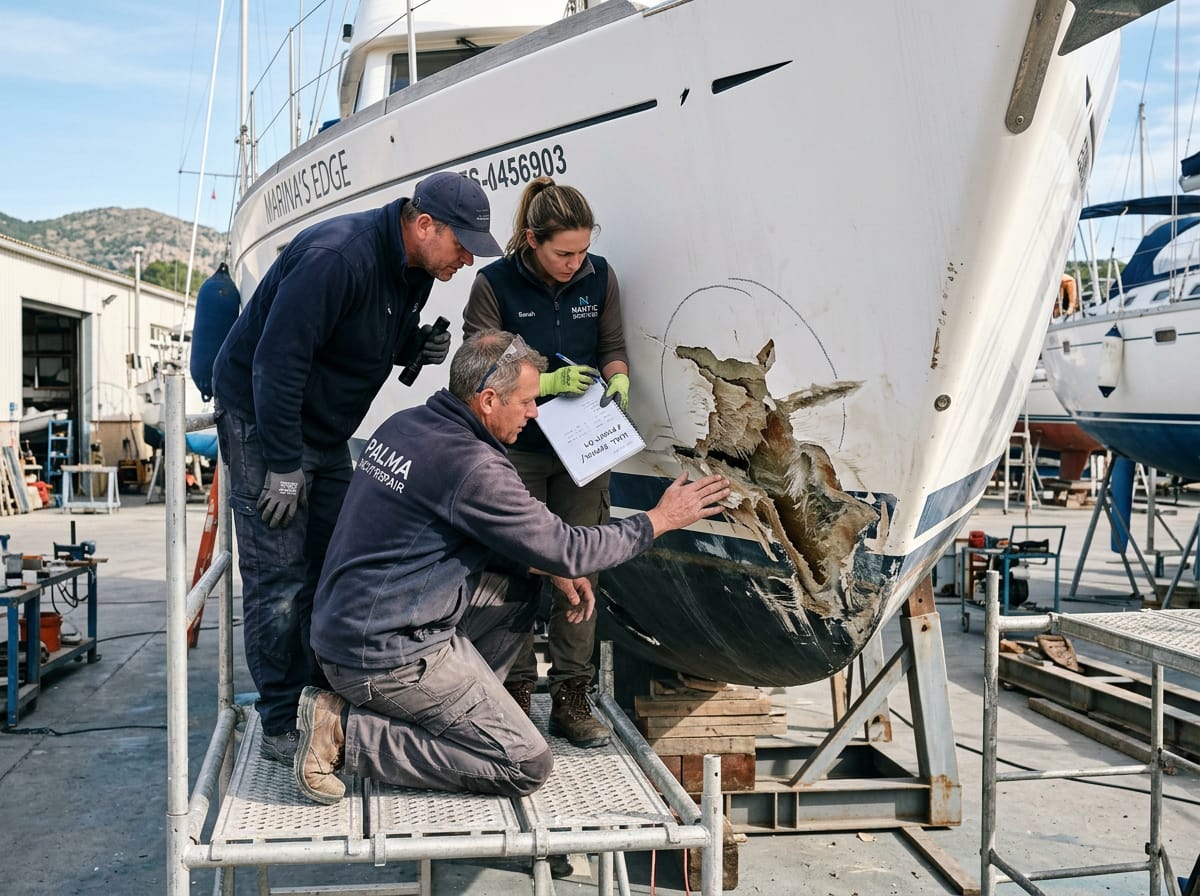
Yacht hull insurance is the foundational layer — it covers physical damage to the vessel itself. Collisions, fire, theft, vandalism, storms, lightning strikes: if something happens to the boat, hull coverage is what pays for repairs or replacement.
For a charter owner, that protection applies whether your vessel is docked between bookings, underway with guests, or in the yard for maintenance. Without it, a single storm or collision could halt your charter business entirely while repair costs come out of pocket. Pantaenius offers a solid overview of how hull coverage is structured for commercial vessels in their guide to yacht hull insurance.
How Boat Liability Insurance Protects Charter Owners
Liability coverage handles the claims that come from other people — a guest who slips on deck, another boat you clip while docking, a dock cleat you shear off. It covers legal defense costs, medical expenses for injured parties, and any damages awarded or settled.
For a vessel carrying paying guests, this isn't optional. One serious injury claim without adequate liability coverage can wipe out personal assets well beyond the value of the boat. BoatUS breaks down the scope of boat liability insurance in plain language if you want a deeper look at what's typically included.
What Is Protection & Indemnity (P&I) Insurance?
P&I is the wide-angle lens of maritime liability. Where standard boat liability covers the basics, P&I extends to crew injury or illness, passenger claims, pollution liability, and wreck removal — costs that can dwarf the value of the vessel itself.
Pollution liability is worth calling out specifically. Environmental cleanup costs and associated fines are legally mandated and can be substantial. P&I is the policy that covers those exposures. For commercial charter operations, it's strongly recommended even when not explicitly required. West P&I's explanation of P&I coverage is a useful reference for understanding the full scope.
Why USCG Compliance Matters for Your Insurance
Operating a charter vessel in U.S. waters means adhering to U.S. Coast Guard (USCG) regulations — and insurers know it. For vessels carrying passengers for hire, compliance with 46 CFR Subchapter T or K (depending on vessel size and route) is a prerequisite for valid commercial coverage, not just a legal obligation.
Insurers will scrutinize your compliance record during underwriting. Non-compliance doesn't just risk fines or operational shutdowns — it can result in denied claims, leaving you entirely uninsured at the worst possible moment. Rigorous vessel inspections, current safety equipment, and proper crewing documentation are all part of the picture. The USCG's Commercial Vessel Compliance Program Overview is the authoritative starting point. You can also find additional safety guidance on our safety resources page.
Navigating the Hardening Marine Insurance Market
The marine insurance market has been tightening since roughly 2019–2020, and in 2026 that trend hasn't fully reversed. Charter owners are dealing with higher premiums, stricter underwriting criteria, and in some segments, reduced insurer capacity. Higher claims frequency and severity globally pushed underwriters to be more selective — and they've stayed that way.
What does that mean practically? Meticulous maintenance records, a clean safety history, and full regulatory compliance aren't just good practice — they're negotiating leverage when you're shopping for coverage. Working with a specialized marine insurance broker who understands this market is more valuable now than it was five years ago. WTW's marine insurance market updates provide useful context on where the market has been heading.
Insurance Considerations for Bareboat Charters
Bareboat charters — where the charterer takes full operational control without a professional crew supplied by the owner — carry their own insurance wrinkles. Policies for these arrangements often require the charterer to be named as an additional insured, or they may require the charterer to carry separate liability coverage for the duration of the trip.
Either way, owners need to clarify these requirements with their insurer before any bareboat charter departs. Ambiguity here creates gaps — and gaps in coverage during a commercial operation are exactly the kind of problem that ends charter businesses. IMIS has a focused breakdown of bareboat charter insurance considerations worth reviewing.
Frequently Asked Questions
What is the difference between private and commercial yacht insurance?
Private yacht insurance covers personal recreational use only — it explicitly excludes any commercial activity, including chartering. Commercial yacht insurance, or a commercial endorsement added to a private policy, is built for vessels operating for hire. It accounts for the higher risks of carrying passengers, the demands of commercial operations, and the regulatory compliance required. Using the wrong policy type almost guarantees a denied claim if something goes wrong during a charter.
Can I use my personal yacht insurance for chartering?
No. Standard personal yacht policies exclude commercial operations. If you charter your vessel under a personal policy and an incident occurs, your coverage is effectively void — you'd be personally liable for damages, injuries, and any legal costs. Before listing your boat, you need a commercial charter policy or a verified commercial endorsement. There's no workaround here.
How does CharterXO help with insurance requirements?
CharterXO streamlines the booking process — direct owner-to-guest communication, split payments, fully digital agreements — but owners are solely responsible for securing valid commercial insurance before listing. We strongly recommend comprehensive coverage including yacht hull insurance, liability, and P&I. For guidance on what to look for, visit our insurance information page. Ready to get your boat earning? List Your Boat and we'll walk you through the rest.
What happens if I don't have proper insurance for chartering?
The consequences are serious. Without valid commercial coverage, any claim during a charter will almost certainly be denied. You'd be personally liable for guest injuries, third-party property damage, environmental cleanup costs, and legal fees. Beyond the financial exposure, you risk regulatory penalties and potential loss of the vessel. Proper coverage isn't a recommendation — it's the baseline for running a charter operation responsibly.
Getting the insurance right — from yacht hull insurance to P&I — is what separates a sustainable charter business from a liability waiting to happen. See how CharterXO makes the owner experience seamless on our How It Works page, get the details on coverage on our insurance information page, and when you're ready: List Your Boat or Book a Charter for your next time on the water.